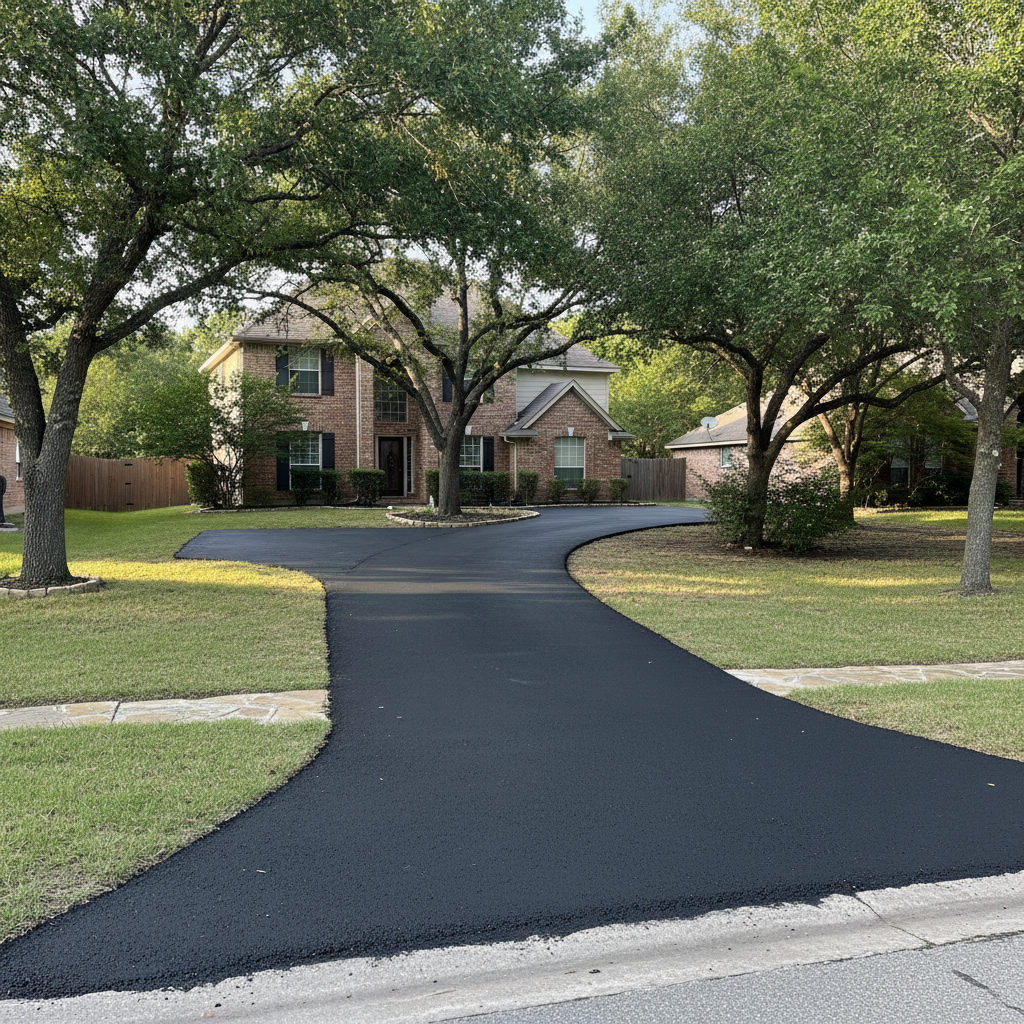
You're thinking about a new driveway, maybe fixing up that old, cracked one, and that's great. A good asphalt driveway adds curb appeal and value, no doubt. But I've seen too many folks in Hutto, especially around the Star Ranch area where the soil can be tricky, make some really common, and often expensive, mistakes when they're trying to get a residential asphalt project done. Let's talk about what to watch out for so you don't end up regretting your decision.
Mistake #1: Going with the Lowest Bid, Every Single Time
Look, I get it. Money doesn't grow on trees, especially around here. Everyone wants a good deal. But when it comes to asphalt, the cheapest bid often means the cheapest materials, the fastest (and usually sloppiest) work, or a contractor who's cutting corners you won't even see until it's too late. I'm not saying you need to pay top dollar for everything, but if one bid is significantly lower than all the others, that's a massive red flag. Ask yourself why. Are they using less aggregate? Skimping on the base? Not compacting properly? You're not just buying asphalt; you're buying a properly installed, durable surface. A low bid often means you'll be paying again sooner than you think.
Mistake #2: Not Checking References or Insurance
This one seems obvious, but you'd be surprised how many people skip it. Before you let anyone start tearing up your yard, ask for references. Call them! Ask about their experience, if the project stayed on budget, and if they were happy with the final product. And this is huge: demand proof of insurance. We're talking general liability and workers' compensation. If a crew member gets hurt on your property and the contractor isn't insured, guess who could be on the hook? You could be. A legitimate business like Oasis Asphalt Inc will have all its ducks in a row and won't hesitate to show you their paperwork.
Mistake #3: No Written Contract, or a Vague One
A handshake deal might work for borrowing a cup of sugar, but not for a several-thousand-dollar asphalt job. You need a detailed, written contract. This isn't just about protecting the contractor; it's protecting you. What should it include? Everything. The exact scope of work, materials to be used (e.g., specific asphalt mix, base depth), start and end dates, payment schedule, warranty information, and who's responsible for cleanup. If a contractor tries to rush you or says,